



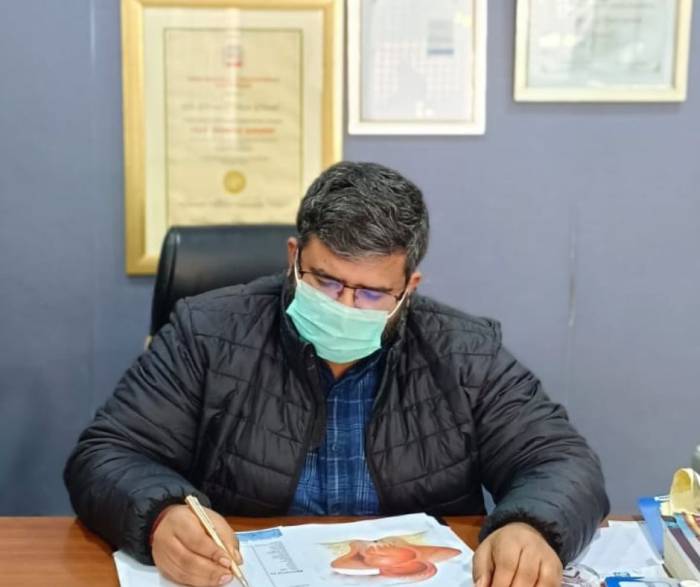
Warning Sign of Piles Becoming Dangerous
Piles are very common, and most people deal with them at some point. In the early stages, they are usually mild and easy to manage. But many patients ignore the symptoms because they feel shy or think it is a small issue. As a Piles Specialist in Agra, I have seen how this delay leads to serious problems. Knowing when piles turn dangerous can help you get treatment on time and avoid bigger health issues later.
Warning Signs You Should Not Ignore
Piles become risky when certain symptoms start showing up. Frequent or heavy rectal bleeding is one of the first red flags. Over time, this can cause anemia, weakness, and dizziness. Severe pain and swelling may point to thrombosed piles, where a blood clot forms inside the vein. Prolapsed hemorrhoids that hang outside the anus also need quick care. In some cases, infection or ulcers may develop, making daily life painful and difficult to manage.
Why Early Treatment Matters
I always tell my patients that early treatment saves them from surgery and long recovery. When piles are left for months, the swelling grows, bleeding gets worse, and constipation becomes a daily struggle. Some symptoms may also point to fissures, fistula, or polyps, which need a proper check-up. As the Best Doctor of Piles in Agra, I focus on giving each patient a clear diagnosis. Modern treatments are minimally invasive, and most people return to normal life within a few days.
When to See a Doctor
You should book a visit if you notice heavy bleeding, severe pain, a lump near the anus, or itching that does not go away. Home remedies help in mild cases, but lasting symptoms need medical care. Eating fiber-rich food, drinking water, and avoiding strain also help a lot. If your symptoms feel worse than before, do not wait. Timely care can stop piles from becoming a painful and dangerous condition.
Warning Signs You Should Not Ignore
Piles become risky when certain symptoms start showing up. Frequent or heavy rectal bleeding is one of the first red flags. Over time, this can cause anemia, weakness, and dizziness. Severe pain and swelling may point to thrombosed piles, where a blood clot forms inside the vein. Prolapsed hemorrhoids that hang outside the anus also need quick care. In some cases, infection or ulcers may develop, making daily life painful and difficult to manage.
Why Early Treatment Matters
I always tell my patients that early treatment saves them from surgery and long recovery. When piles are left for months, the swelling grows, bleeding gets worse, and constipation becomes a daily struggle. Some symptoms may also point to fissures, fistula, or polyps, which need a proper check-up. As the Best Doctor of Piles in Agra, I focus on giving each patient a clear diagnosis. Modern treatments are minimally invasive, and most people return to normal life within a few days.
When to See a Doctor
You should book a visit if you notice heavy bleeding, severe pain, a lump near the anus, or itching that does not go away. Home remedies help in mild cases, but lasting symptoms need medical care. Eating fiber-rich food, drinking water, and avoiding strain also help a lot. If your symptoms feel worse than before, do not wait. Timely care can stop piles from becoming a painful and dangerous condition.