



A Simple Guide to the Surgical Treatment of Anal Fistula
An anal fistula is a small passage between the anus and the skin around the anus usually formed from an infection or anal abscess. Medications can be used to help manage symptoms, but typically surgery is the best way to close the fistula permanently and prevent it from recurring. If you are suffering from recurrent pain, pus or swelling, then you should talk to a fistula doctor in agra to learn which treatment is the best for you. The surgical procedure for anal fistula depends on the type, depth and complexity of the fistula.
1. Fistulotomy
Fistulotomy is the most commonly performed procedure for simple anal fistulas. The surgeon opens the fistula tract all the way through in surgery and it will heal from the inside out. It is a technique that has a high success rate in uncomplicated fistulas without compromising normal bowel function in suitable patients.
2. Seton Placement
A seton may be indicated for the fistulas that extend through a large part of the anal sphincter muscle. A seton is a special surgical thread placed inside the fistula tract to keep it open and draining. This not only helps prevent infection and healing but also makes the chances of muscle damage less. It can sometimes be used as a preparatory treatment prior to a definitive treatment.
3. LIFT Procedure
The LIFT (Ligation of Intersphincteric Fistula Tract) procedure is often used for complex fistulas. The surgeon finds and seals the fistula track between the sphincter without making an incision into the sphincter. The goal of this approach is not only to maintain a patient's ability to control their urinary needs but also ensure proper treatment of the disease. LIFT is a sphincter-preserving procedure for appropriate patients and is a topic patients often ask about when looking for the best fistula doctor in agra.
4. Advancement Flap Surgery
Advancement flap surgery is generally reserved for complex or recurrent fistulas. In this technique, the internal opening of the fistula is covered with healthy tissue, helping close the tract while protecting the anal sphincter. It is particularly useful when a standard fistulotomy may carry a higher risk of incontinence.
Recovery and What to Expect
Recovery varies depending on the procedure performed. Most patients can return to routine activities within a few weeks, although complete healing may take several weeks to a few months. Regular follow-up is essential to ensure proper healing and reduce the risk of recurrence.
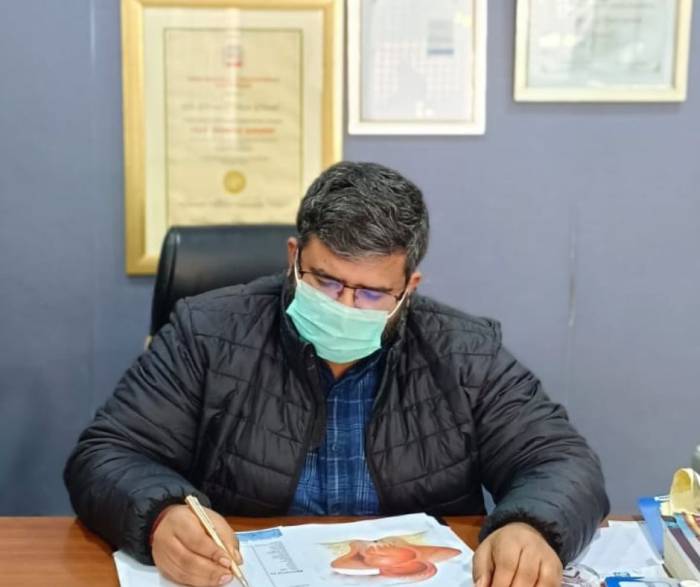
For expert diagnosis and advanced anal fistula treatment, consult Dr. Karan R. Rawat at Safe Surgery Center and receive personalized care for lasting relief.
1. Fistulotomy
Fistulotomy is the most commonly performed procedure for simple anal fistulas. The surgeon opens the fistula tract all the way through in surgery and it will heal from the inside out. It is a technique that has a high success rate in uncomplicated fistulas without compromising normal bowel function in suitable patients.
2. Seton Placement
A seton may be indicated for the fistulas that extend through a large part of the anal sphincter muscle. A seton is a special surgical thread placed inside the fistula tract to keep it open and draining. This not only helps prevent infection and healing but also makes the chances of muscle damage less. It can sometimes be used as a preparatory treatment prior to a definitive treatment.
3. LIFT Procedure
The LIFT (Ligation of Intersphincteric Fistula Tract) procedure is often used for complex fistulas. The surgeon finds and seals the fistula track between the sphincter without making an incision into the sphincter. The goal of this approach is not only to maintain a patient's ability to control their urinary needs but also ensure proper treatment of the disease. LIFT is a sphincter-preserving procedure for appropriate patients and is a topic patients often ask about when looking for the best fistula doctor in agra.
4. Advancement Flap Surgery
Advancement flap surgery is generally reserved for complex or recurrent fistulas. In this technique, the internal opening of the fistula is covered with healthy tissue, helping close the tract while protecting the anal sphincter. It is particularly useful when a standard fistulotomy may carry a higher risk of incontinence.
Recovery and What to Expect
Recovery varies depending on the procedure performed. Most patients can return to routine activities within a few weeks, although complete healing may take several weeks to a few months. Regular follow-up is essential to ensure proper healing and reduce the risk of recurrence.
For expert diagnosis and advanced anal fistula treatment, consult Dr. Karan R. Rawat at Safe Surgery Center and receive personalized care for lasting relief.