



Exploring Non Surgical Treatments for Gallbladder Stones
Gallstones are stones that develop in the gallbladder and may lead to symptoms of indigestion, nausea, bloating, and abdominal pain. A lot of patients ask if these stones can be treated without surgery. When searching for a gallbladder stone doctor in agra, it is essential to be aware of the various treatment options available as well as the situations where surgery is indicated.
Understanding Gallbladder Stones
Gallstones develop when substances in bile, such as cholesterol or bilirubin, become concentrated and form solid particles. Some people may have gallstones without experiencing any symptoms, while others may suffer from painful gallbladder attacks and complications. Asymptomatic stones often do not require immediate treatment, but symptomatic stones usually need medical attention.
Can Gallstones Be Dissolved with Medicines?
In some instances, doctors might prescribe medications to dissolve cholesterol-based gallstones. However, this approach is suitable only for specific patients, especially those who cannot undergo surgery. Treatment can take months or even years to take effect and could result in stones returning after the drug is discontinued.
Are Natural Remedies Effective?
Many people look for home remedies, gallbladder cleanses, and herbal treatments to try and stay away from surgery. But these techniques have not yet been proven to be effective in the clearance of gallstones. In some cases, using only unproven treatments could delay appropriate treatment and complications could also occur.
When Is Surgery the Best Option?
Laparoscopic gallbladder removal (cholecystectomy) is the most effective and permanent treatment for patients with recurrent pain, inflammation, infection, or obstruction from gallstones. Surgery is not just used to remove stones but also to help prevent stones from forming in the gall bladder in the future. The majority of patients make rapid recovery and are able to resume normal activity within a short time.
The Importance of Early Medical Evaluation
Ignoring symptoms such as severe abdominal pain, fever, jaundice, or vomiting can lead to serious complications, including gallbladder infection or inflammation. Consulting an experienced specialist helps determine whether non-surgical management is appropriate or if surgery is the safer option.
Conclusion
Temporary medication treatment can be used for some gallstones, but surgery is the most effective treatment for symptomatic gallstones. Timely diagnosis and management can avoid complications and help you get the best possible health outcome.
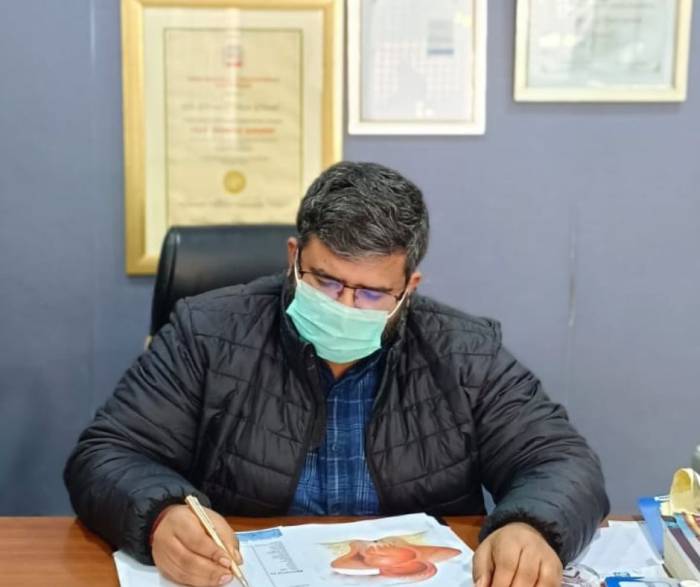
For a thorough assessment and advanced treatment options for gallbladder stones, you can consult Dr. Karan R. Rawat at Safe Surgery Center.
Understanding Gallbladder Stones
Gallstones develop when substances in bile, such as cholesterol or bilirubin, become concentrated and form solid particles. Some people may have gallstones without experiencing any symptoms, while others may suffer from painful gallbladder attacks and complications. Asymptomatic stones often do not require immediate treatment, but symptomatic stones usually need medical attention.
Can Gallstones Be Dissolved with Medicines?
In some instances, doctors might prescribe medications to dissolve cholesterol-based gallstones. However, this approach is suitable only for specific patients, especially those who cannot undergo surgery. Treatment can take months or even years to take effect and could result in stones returning after the drug is discontinued.
Are Natural Remedies Effective?
Many people look for home remedies, gallbladder cleanses, and herbal treatments to try and stay away from surgery. But these techniques have not yet been proven to be effective in the clearance of gallstones. In some cases, using only unproven treatments could delay appropriate treatment and complications could also occur.
When Is Surgery the Best Option?
Laparoscopic gallbladder removal (cholecystectomy) is the most effective and permanent treatment for patients with recurrent pain, inflammation, infection, or obstruction from gallstones. Surgery is not just used to remove stones but also to help prevent stones from forming in the gall bladder in the future. The majority of patients make rapid recovery and are able to resume normal activity within a short time.
The Importance of Early Medical Evaluation
Ignoring symptoms such as severe abdominal pain, fever, jaundice, or vomiting can lead to serious complications, including gallbladder infection or inflammation. Consulting an experienced specialist helps determine whether non-surgical management is appropriate or if surgery is the safer option.
Conclusion
Temporary medication treatment can be used for some gallstones, but surgery is the most effective treatment for symptomatic gallstones. Timely diagnosis and management can avoid complications and help you get the best possible health outcome.
For a thorough assessment and advanced treatment options for gallbladder stones, you can consult Dr. Karan R. Rawat at Safe Surgery Center.