



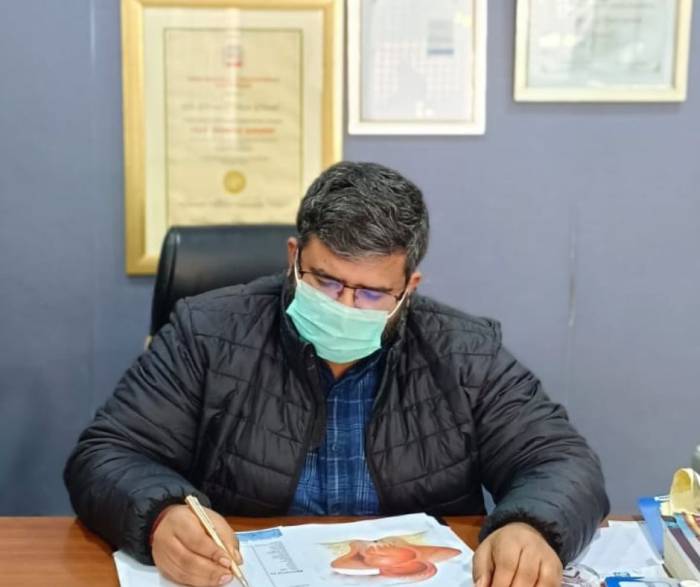
Is Your Hernia Pain a Warning Sign? When to See a Surgeon in Agra
An inguinal hernia occurs when tissue pushes through a weak spot in your groin muscle. While not every hernia demands immediate surgery, knowing the right time to act is crucial for your health and peace of mind.
The 3-Month Rule: Why Timing Matters
Research shows that timing significantly impacts surgical outcomes. Patients who undergo surgery within 3 months of diagnosis have the lowest complication rates. In contrast, delaying surgery beyond 6 months more than doubles the risk of postoperative complications. This data highlights why timely consultation with a hernia specialist in Agra can make a real difference.
When Surgery Is Recommended
According to leading medical guidelines, you should consider surgery if:
• The hernia causes pain or discomfort that limits your daily activities
• The bulge is growing larger over time
• You experience symptoms like nausea, vomiting, or severe pain (which may indicate incarceration or strangulation—a medical emergency)
When Observation May Be Safe
You might safely delay surgery if you find:
• The hernia is small and completely painless
• It can be easily pushed back into the abdomen
However, remember that hernias don't heal on their own, and about 70% of patients eventually require surgery as symptoms gradually worsen over time.
Surgical Options Available in Agra
Modern hernia repair can be performed through open surgery or minimally invasive laparoscopic techniques, which offer faster recovery and less pain. A skilled General Surgeon in Agra can help you choose the best approach based on your specific situation—whether you need a primary repair or surgery for a recurrent hernia.
Your Next Step
If you're experiencing discomfort or notice a growing bulge in your groin, don't delay seeking expert advice. Contact a trusted Surgeon in Agra today for a thorough evaluation. Taking action within the optimal 3-month window could mean a smoother recovery and better long-term outcomes.
The 3-Month Rule: Why Timing Matters
Research shows that timing significantly impacts surgical outcomes. Patients who undergo surgery within 3 months of diagnosis have the lowest complication rates. In contrast, delaying surgery beyond 6 months more than doubles the risk of postoperative complications. This data highlights why timely consultation with a hernia specialist in Agra can make a real difference.
When Surgery Is Recommended
According to leading medical guidelines, you should consider surgery if:
• The hernia causes pain or discomfort that limits your daily activities
• The bulge is growing larger over time
• You experience symptoms like nausea, vomiting, or severe pain (which may indicate incarceration or strangulation—a medical emergency)
When Observation May Be Safe
You might safely delay surgery if you find:
• The hernia is small and completely painless
• It can be easily pushed back into the abdomen
However, remember that hernias don't heal on their own, and about 70% of patients eventually require surgery as symptoms gradually worsen over time.
Surgical Options Available in Agra
Modern hernia repair can be performed through open surgery or minimally invasive laparoscopic techniques, which offer faster recovery and less pain. A skilled General Surgeon in Agra can help you choose the best approach based on your specific situation—whether you need a primary repair or surgery for a recurrent hernia.
Your Next Step
If you're experiencing discomfort or notice a growing bulge in your groin, don't delay seeking expert advice. Contact a trusted Surgeon in Agra today for a thorough evaluation. Taking action within the optimal 3-month window could mean a smoother recovery and better long-term outcomes.