



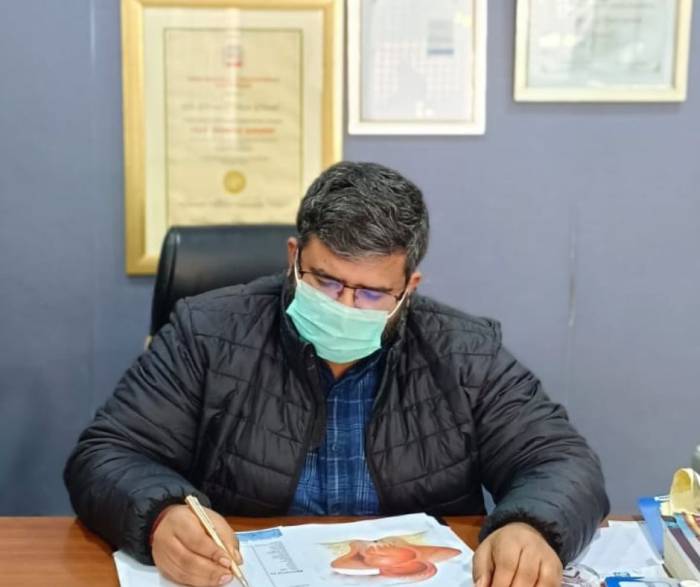
Science-Backed, Plant-Based Relief for Piles, Fissure, and Digestive Health in Agra
The conversation around piles and fissures has long been dominated by two extremes: "just eat more fiber" or "go straight to surgery." But the reality is more nuanced — and increasingly, science is validating what traditional plant-based approaches have offered for centuries.
The Plant-Based Advantage: What Science Says
Plant-based remedies for anorectal conditions aren't just folklore. Psyllium husk, for instance, is a water-soluble fiber that increases stool volume, softens consistency, and reduces intraluminal pressure in the rectosigmoid — a critical factor in both hemorrhoids and anal fissures . It's been recognized as a benign intestinal motility enhancer since 1950, and its mechanism is well-documented: taken with adequate water, it stimulates peristalsis without straining the abdominal press .
Modern research continues to explore plant-derived compounds. Recent studies have investigated the phenolic profile and anti-inflammatory potential of medicinal plants in hemorrhoid models, examining their bioaccessibility and therapeutic effects at the tissue level . This bridges traditional knowledge with rigorous scientific validation.
Piles vs. Fissure: Why Correct Diagnosis Matters
Many patients confuse piles with fissures, but they're distinct conditions. Piles are swollen veins in the rectal region, often caused by constipation, prolonged sitting, or pregnancy . Fissures, by contrast, are small tears in the anal lining that cause sharp pain during bowel movements .
This distinction matters because treatment approaches differ. A Fissure Doctor in Agra will assess whether your pain is from a tear or swollen vessels — and whether plant-based management or intervention is appropriate.
When Plant-Based Care Is Enough — And When It Isn't
For early-stage piles and mild fissures, plant-based strategies genuinely work:
• High-fiber diet with psyllium or Triphala
• Adequate hydration (3–4 liters daily)
• Herbal support like Haritaki and Nagkesar to regulate digestion
Ayurvedic approaches like Panchakarma therapies — including Basti (herbal enemas) — are used to reduce inflammation and soften stool without surgery .
However, when bleeding becomes persistent or prolapse occurs, these measures alone aren't sufficient. This is where consulting the Best Doctor for Piles in Agra becomes essential — not to rush into surgery, but to get an accurate grade assessment and a tailored plan .
Finding the Right Specialist in Agra
A genuine Piles Specialist Doctor in Agra will:
• Use proctoscopy for accurate grading (not just a visual guess)
• Offer graded treatment — from diet and medication to minimally invasive options like rubber band ligation
• Consider both conventional and integrative approaches based on your stage
For fissures, advanced options like laser sphincterotomy offer precise, fast-healing outcomes with same-day discharge .
The Takeaway
Plant-based relief has a legitimate, science-backed place in managing piles and fissures — but it's not a one-size-fits-all solution. Early stages respond beautifully to fiber, hydration, and herbal support. Advanced stages need a specialist's eye.
The smartest path? Start with plant-based principles for prevention and mild cases. But if symptoms persist beyond a week or worsen, don't delay. A consultation with the Best Doctor for Piles in Agra can save you from months of discomfort and unnecessary complications.
Your digestive health deserves both nature's wisdom and medical precision.
The Plant-Based Advantage: What Science Says
Plant-based remedies for anorectal conditions aren't just folklore. Psyllium husk, for instance, is a water-soluble fiber that increases stool volume, softens consistency, and reduces intraluminal pressure in the rectosigmoid — a critical factor in both hemorrhoids and anal fissures . It's been recognized as a benign intestinal motility enhancer since 1950, and its mechanism is well-documented: taken with adequate water, it stimulates peristalsis without straining the abdominal press .
Modern research continues to explore plant-derived compounds. Recent studies have investigated the phenolic profile and anti-inflammatory potential of medicinal plants in hemorrhoid models, examining their bioaccessibility and therapeutic effects at the tissue level . This bridges traditional knowledge with rigorous scientific validation.
Piles vs. Fissure: Why Correct Diagnosis Matters
Many patients confuse piles with fissures, but they're distinct conditions. Piles are swollen veins in the rectal region, often caused by constipation, prolonged sitting, or pregnancy . Fissures, by contrast, are small tears in the anal lining that cause sharp pain during bowel movements .
This distinction matters because treatment approaches differ. A Fissure Doctor in Agra will assess whether your pain is from a tear or swollen vessels — and whether plant-based management or intervention is appropriate.
When Plant-Based Care Is Enough — And When It Isn't
For early-stage piles and mild fissures, plant-based strategies genuinely work:
• High-fiber diet with psyllium or Triphala
• Adequate hydration (3–4 liters daily)
• Herbal support like Haritaki and Nagkesar to regulate digestion
Ayurvedic approaches like Panchakarma therapies — including Basti (herbal enemas) — are used to reduce inflammation and soften stool without surgery .
However, when bleeding becomes persistent or prolapse occurs, these measures alone aren't sufficient. This is where consulting the Best Doctor for Piles in Agra becomes essential — not to rush into surgery, but to get an accurate grade assessment and a tailored plan .
Finding the Right Specialist in Agra
A genuine Piles Specialist Doctor in Agra will:
• Use proctoscopy for accurate grading (not just a visual guess)
• Offer graded treatment — from diet and medication to minimally invasive options like rubber band ligation
• Consider both conventional and integrative approaches based on your stage
For fissures, advanced options like laser sphincterotomy offer precise, fast-healing outcomes with same-day discharge .
The Takeaway
Plant-based relief has a legitimate, science-backed place in managing piles and fissures — but it's not a one-size-fits-all solution. Early stages respond beautifully to fiber, hydration, and herbal support. Advanced stages need a specialist's eye.
The smartest path? Start with plant-based principles for prevention and mild cases. But if symptoms persist beyond a week or worsen, don't delay. A consultation with the Best Doctor for Piles in Agra can save you from months of discomfort and unnecessary complications.
Your digestive health deserves both nature's wisdom and medical precision.