



Understanding Advanced Hernia Treatment and Recovery
Symptoms of a hernia may start as a small lump or slight discomfort, but if it is not treated, a hernia can become obstructed or strangulated. When the hernia specialist in Agraevaluates the condition in time, it ensures proper diagnosis and treatment regime so that the condition doesn't escalate. Today surgical techniques have evolved to provide safer, less invasive and faster recovery from any hernia.
Understanding Hernias and Their Symptoms
A hernia is caused when an internal organ or tissue bulges through a weakened area of muscle or connective tissue. The most common ones are inguinal, umbilical, femoral, incisional and hiatal.Typical symptoms include:
• A visible bulge in the abdomen or groin
• Pain or discomfort during lifting, coughing, or bending
• A feeling of heaviness or pressure
• Swelling that may become more noticeable after physical activity
Early diagnosis helps prevent complications and improves treatment outcomes.
Advanced Diagnosis and Treatment Options
The first step to diagnosis is a physical exam, and in complex cases, imaging may be ordered, including ultrasound or a computed tomography (CT) scan. Treatment can include minimally invasive laparoscopic surgery or open surgery, depending on the size, type and severity of the hernia.
Every patient is assessed by an expert Surgeon in Agra and a suitable course of action is advised to them. The advantages of laparoscopic surgery include small incisions, minimal post-operative pain, lower risk of infection, quicker hospital stays and quicker return to normal daily activities. For many patients, surgical mesh is placed in the abdominal wall to increase strength and to prevent re-recurrence.
Recovery and Post-Surgical Care
The recovery period is typically smooth after hernia surgery when recovery guidelines are followed. Patients are encouraged to walk shortly after surgery, a fibre rich diet, drink plenty of fluids, heavy lifting for weeks, and follow up appointments. Most people are able to return to light activity within a few days of surgery, although it depends on the type of surgery and overall health. As long as medical advice is followed, the chances of complications or recurrence are significantly reduced.
Conclusion
Through precise diagnosis, minimally invasive surgical techniques, and tailored recovery strategies, advanced hernia care ensures outstanding results. If you notice any symptoms of a hernia, you should see a General Surgeon in Agra as soon as possible to avoid complications and maintain your active, healthy lifestyle.
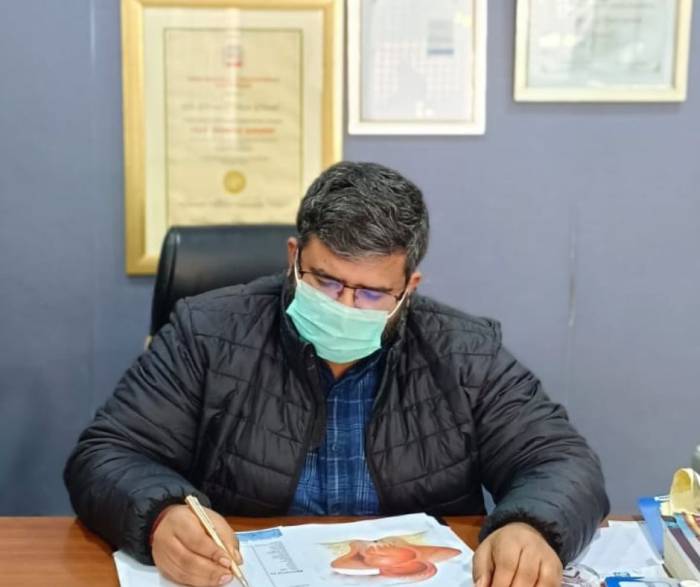
For effective diagnosis, treatment for advanced hernias, and comprehensive surgical care that's tailored to your needs, you can consult Dr. Karan R. Rawat from Safe Surgery Center.
Understanding Hernias and Their Symptoms
A hernia is caused when an internal organ or tissue bulges through a weakened area of muscle or connective tissue. The most common ones are inguinal, umbilical, femoral, incisional and hiatal.Typical symptoms include:
• A visible bulge in the abdomen or groin
• Pain or discomfort during lifting, coughing, or bending
• A feeling of heaviness or pressure
• Swelling that may become more noticeable after physical activity
Early diagnosis helps prevent complications and improves treatment outcomes.
Advanced Diagnosis and Treatment Options
The first step to diagnosis is a physical exam, and in complex cases, imaging may be ordered, including ultrasound or a computed tomography (CT) scan. Treatment can include minimally invasive laparoscopic surgery or open surgery, depending on the size, type and severity of the hernia.
Every patient is assessed by an expert Surgeon in Agra and a suitable course of action is advised to them. The advantages of laparoscopic surgery include small incisions, minimal post-operative pain, lower risk of infection, quicker hospital stays and quicker return to normal daily activities. For many patients, surgical mesh is placed in the abdominal wall to increase strength and to prevent re-recurrence.
Recovery and Post-Surgical Care
The recovery period is typically smooth after hernia surgery when recovery guidelines are followed. Patients are encouraged to walk shortly after surgery, a fibre rich diet, drink plenty of fluids, heavy lifting for weeks, and follow up appointments. Most people are able to return to light activity within a few days of surgery, although it depends on the type of surgery and overall health. As long as medical advice is followed, the chances of complications or recurrence are significantly reduced.
Conclusion
Through precise diagnosis, minimally invasive surgical techniques, and tailored recovery strategies, advanced hernia care ensures outstanding results. If you notice any symptoms of a hernia, you should see a General Surgeon in Agra as soon as possible to avoid complications and maintain your active, healthy lifestyle.
For effective diagnosis, treatment for advanced hernias, and comprehensive surgical care that's tailored to your needs, you can consult Dr. Karan R. Rawat from Safe Surgery Center.