



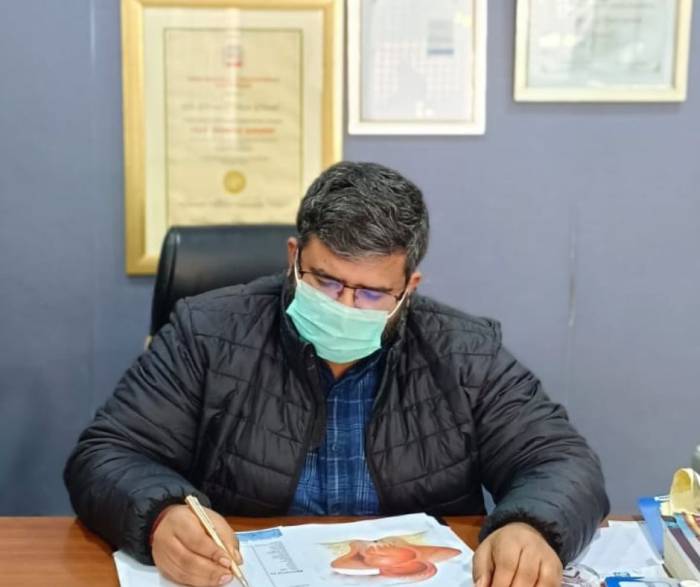
Understanding Whether Piles Are Genetic and What Increases the Risk
If piles have been common in the family, you might ask: do you have to suffer from them as well? The positive is that piles, clinically referred to as haemorrhoids, are not actually passed down from generation to generation. But studies indicate that susceptibility might be determined, in part, by genetics. When symptoms come back again and again, visiting Best Piles Doctor in Agra will help to find the root cause and the treatment.
Can family history cause piles?
If someone in your family or close relatives has haemorrhoids, you do not have to get them. There are a number of factors that may be genetically influenced, including the strength of the supporting tissues or individual susceptibility, but lifestyle and bowel habits are also significant.
A family history can then be considered as a risk factor, and not an absolute predictor. Good bowel habits, sufficient fibre and not straining too much can help minimise avoidable risks.
Common causes & risk factors:
Piles are swollen veins in and around the lower part of the rectum and anus. Higher pressures in this area can help them form. These are the most common factors that can lead to a risk:
• Chronic constipation or diarrhoea
• A feeling of incomplete bowel emptying
• A low-fibre diet
• Sitting for long periods, especially in the toilet
• Obesity
• Pregnancy
• Regular heavy lifting
• Increasing age
These can cause damage to or strain on the tissues that hold the veins up.
Symptoms Which Shouldn't Be Ignored.
Common symptoms include bright-red stools, itching and irritation, swelling, pain or discomfort around the anus, and a lump or protruding tissue. Although internal piles may bleed without much pain, external or thrombosed piles may be painful.
If the symptoms continue or come back, a Piles Specialist in Agra can assess whether the issue is actually piles and how serious it is. Rather than an automatic diagnosis of haemorrhoids, rectal bleeding should be attributed to other causes.
Conclusion
Having a family history of piles does not mean you will develop them; it indicates that you may be more at risk. Reduce risk with constipation management, fibre improvement, activity and non-essential straining. For persistent bleeding, pain or prolapse, consult the Best Doctor of Piles in Agra for proper evaluation and treatment.
For expert evaluation and personalised piles treatment, consult Dr. Karan R Rawat at Safe Surgery Centre, Agra.
Can family history cause piles?
If someone in your family or close relatives has haemorrhoids, you do not have to get them. There are a number of factors that may be genetically influenced, including the strength of the supporting tissues or individual susceptibility, but lifestyle and bowel habits are also significant.
A family history can then be considered as a risk factor, and not an absolute predictor. Good bowel habits, sufficient fibre and not straining too much can help minimise avoidable risks.
Common causes & risk factors:
Piles are swollen veins in and around the lower part of the rectum and anus. Higher pressures in this area can help them form. These are the most common factors that can lead to a risk:
• Chronic constipation or diarrhoea
• A feeling of incomplete bowel emptying
• A low-fibre diet
• Sitting for long periods, especially in the toilet
• Obesity
• Pregnancy
• Regular heavy lifting
• Increasing age
These can cause damage to or strain on the tissues that hold the veins up.
Symptoms Which Shouldn't Be Ignored.
Common symptoms include bright-red stools, itching and irritation, swelling, pain or discomfort around the anus, and a lump or protruding tissue. Although internal piles may bleed without much pain, external or thrombosed piles may be painful.
If the symptoms continue or come back, a Piles Specialist in Agra can assess whether the issue is actually piles and how serious it is. Rather than an automatic diagnosis of haemorrhoids, rectal bleeding should be attributed to other causes.
Conclusion
Having a family history of piles does not mean you will develop them; it indicates that you may be more at risk. Reduce risk with constipation management, fibre improvement, activity and non-essential straining. For persistent bleeding, pain or prolapse, consult the Best Doctor of Piles in Agra for proper evaluation and treatment.
For expert evaluation and personalised piles treatment, consult Dr. Karan R Rawat at Safe Surgery Centre, Agra.