


Understanding Small Umbilical Hernia and Its Treatment
A small fat-containing umbilical hernia is a condition where a bit of fatty tissue pushes out through a weak area near the belly button. It usually appears as a soft bulge around the navel and may become more visible when coughing, standing, or straining. While it may look concerning, many small hernias are not dangerous if treated at the right time.
This condition develops due to weakness in the abdominal wall. In adults, common causes include weight gain, pregnancy, heavy lifting, chronic cough, and long-term constipation. All these factors increase pressure inside the abdomen, which pushes tissue outward and forms a hernia. People who sit for long hours or do strenuous physical work may also be at higher risk.
In many cases, a tiny fat-containing umbilical hernia does not cause severe pain. Some individuals only notice mild discomfort or tenderness near the belly button. However, if the swelling becomes painful, hard, or cannot be pushed back in, it may indicate a complication that requires immediate medical attention.
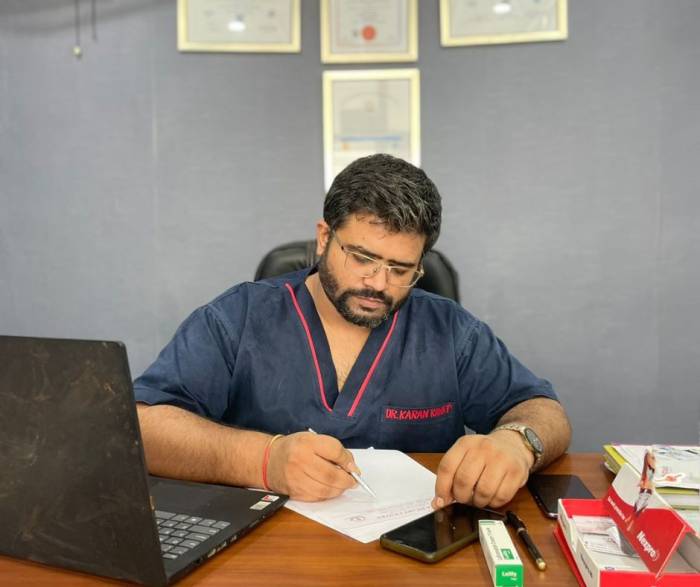
Diagnosis is usually simple and done through a physical examination. Sometimes, imaging tests like ultrasound are suggested to confirm the contents of the hernia. Consulting a skilled General Surgeon in Agra helps in understanding whether the hernia needs monitoring or surgical treatment.
If the hernia is very small and painless, doctors may recommend lifestyle changes such as maintaining a healthy weight, avoiding heavy lifting, and preventing constipation. However, surgery is often the permanent solution. Hernia repair is a safe and commonly performed procedure. It can be done through open or laparoscopic techniques, depending on the case. Recovery is usually quick, and most patients return to normal activities within a short period.
Choosing an experienced Surgeon in Agra ensures proper diagnosis, safe surgery, and reduced risk of recurrence.
In conclusion, a small umbilical hernia may seem minor, but early medical advice is important. Timely treatment helps prevent complications and supports a smooth recovery.