


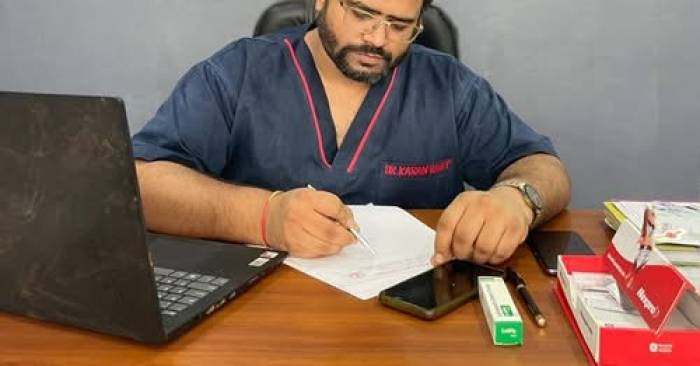
Finding Relief Beyond the Surface through Expert Anorectal Care
Anal fissures, abscesses, faecal incontinence, dyssynergic defecation, anismus, and internal rectal prolapse are nearly always caused by a dysfunction, an inflammation or an anatomical change involving the musculature. Although the causes can seem superficial, such as symptoms of pain, bleeding, leakage, or constipation, their causes are often more deep-rooted. The proper diagnosis and planning of treatment require a careful assessment by a proctologist doctor in Agra, with digital rectal examination, defecography, anorectal manometry, and occasionally using MRI.
First Line: Non-Surgical and Conservative Treatments
Professionals stress the beginning with conservative treatment:
drinking more water and fibre, avoiding straining--highly facilitates recovery with many conditions.
softening aid in pain management, particularly in fissures and functional pain.
including nitroglycerin, calcium-channel blockers or Botox - may relax the anal sphincter and promote healing of a fissure when more basic interventions are inadequate.
In the case of dyssynergic defecation and certain types of pelvic floor disorders, biofeedback treatment has been the standard, retraining of muscle coordination with 70++ success rates.
Also, transanal irrigation may provide long-term management of the bowel in cases of chronic incontinence or obstructed defecation, particularly where other treatment has failed.
When Surgery Becomes Necessary
Surgical intervention can be an option in case the conservative approach fails to provide relief adequately. In persistent fissures, interventions such as lateral internal sphincterotomy bring a long- term alleviation. In structural prolapse, collagenous prolapse or rectocele, it can treat a wide range of defects with promising outcomes and reduced recurrence rate with minimally invasive procedures such a ventral mesh rectopexy. The visit to the best proctologist doctor in Agra guarantees that the proper type of surgery is selected with minimal risk of side effects. In the case of abscesses, incision and drainage with subsequent antibiotics may soon be needed to avoid a severe infection or fistula development.
Final Thoughts
Effective anorectal alleviation goes deeper than superficial comforting. Individualised management planning, where effective diagnosis is the beginning, non-surgical treatments are prioritized, and surgery is used sparingly, presents an optimal level of hope in terms of long-term comfort and overall quality of life.