


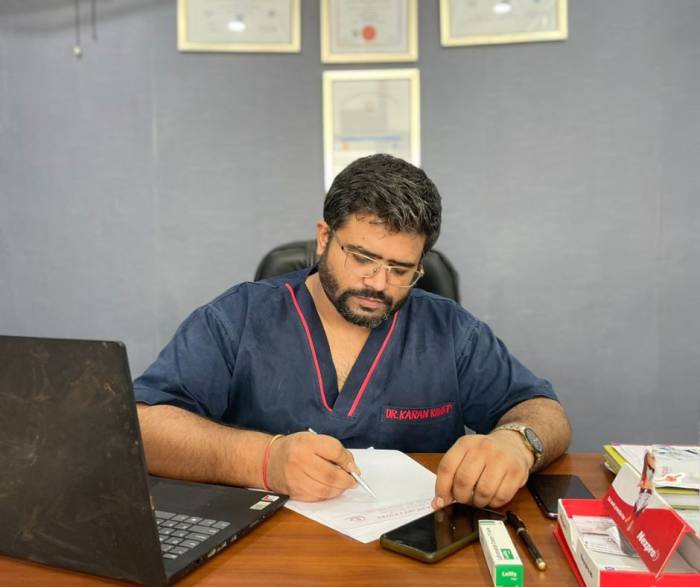
Risks and Realities of Hernia Surgery in Elderly
Hernia repair can often create healing impact which turn to be life changing, but sometime in older counterparts it brings in additional risk. If you also have old people at home , who are due for an operation, then getting If you're considering surgery, it helps to understand these risks — and also how the right hernia specialist in Agra or General Surgeon in Agra can guide you safely through.
What makes hernia surgery more challenging for senior patients?
· Slower healing: Over time, those Hard-as-a-Rock and Tougher-than-Leather cells will naturally soften and weaken with age as collagen is more slowly produced and the immune response tamps itself down. This results in delayed wound healing as risk of infections.
· Chronic health conditions: Aging itself is a challenge and comes with additional prevalence of age urged diseases such as cardiovascular disease, lung disease, diabetes or kidney disease. All of them may require surgery and administration of anesthesia leading to high risk administration.·
Is it worth the risk?
Yes — in many cases. Untreated hernias can lead to serious emergencies, like strangulation of bowel or obstruction. For elderly patients, avoiding those emergencies often outweighs the surgical risks, provided surgery is done by an experienced team. The goal is not just repair of hernia, but preserving quality of life and preventing avoidable complications.
What to ask your doctor in Agra
If every moment or even a single ounce of comfort matters while considering such a decision, be sure to ask:
- How are your results with surgery in the elderly hernia patient?
- ‘How would you proceed surgically in my situation and why?’
- "What complication rates can I expect with my health profile?"
- “What can I anticipate for recovery, pain and follow-up?”
Conclusion
Here, at Safe Surgery Center we insist for special consideration of aged patients. With one of the leading hernia specialist Agra and compassionate General Surgeon in Agra, we customize treatment for each patient by weighing risks against potential benefits toward achieving the safest outcomes.