


Understanding GI Bleeding Symptoms Types Causes and When to Seek Help
GI bleeding is seen when blood comes from the gastrointestinal tract that has the esophagus stomach intestines and rectum. Blood in vomit or stool can be noticed and the condition can be mild or very serious. Medical care must be taken quickly because even small bleeding may show a big internal problem that needs fast attention and checkup.
Common Symptoms
The source and seriousness of GI bleeding decide its signs. Black or tarry stools or red blood in stool may be seen. Early diagnosis and treatment are given when a Gastro Doctor in Agra is visited so that infection and blood loss are prevented.
Types of GI Bleeding
Upper and lower types are used to describe GI bleeding. The upper part includes the esophagus stomach and top part of the small intestine. The lower part affects the colon rectum or anus. Proper checking is done by a Gastro Surgeon in Agra who finds the spot and gives treatment with modern endoscopic methods.
Major Causes
Stomach ulcers, gastritis hemorrhoids, bowel swelling and tumors are counted as main causes. The gut lining can be hurt by alcohol and too many painkillers. The exact reason is found through tests like endoscopy or colonoscopy when a stomach specialist doctor in Agra is met. Long term control and right therapy are then given to stop more bleeding in the future.
When to Seek Medical Help
Help must be taken at once when blood is vomited black stools appear or sudden weakness is felt. Internal bleeding may be present and urgent care becomes needed. If treatment is delayed anemia or shock can occur.
Conclusion
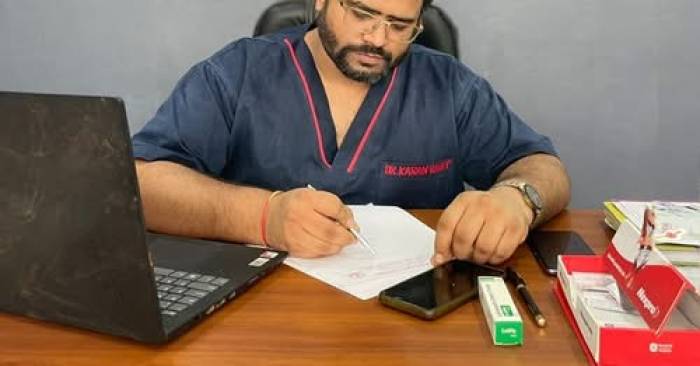
GI bleeding may turn dangerous when it is not treated in time. Early notice of its signs and quick medical care help in fast recovery and stop further problems. Dr Karan R Rawat is an experienced gastroenterologist at a safe surgery center.